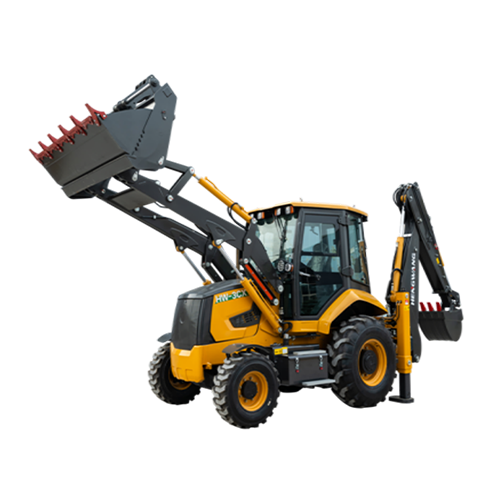
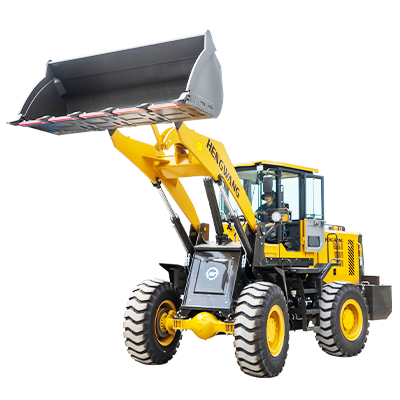
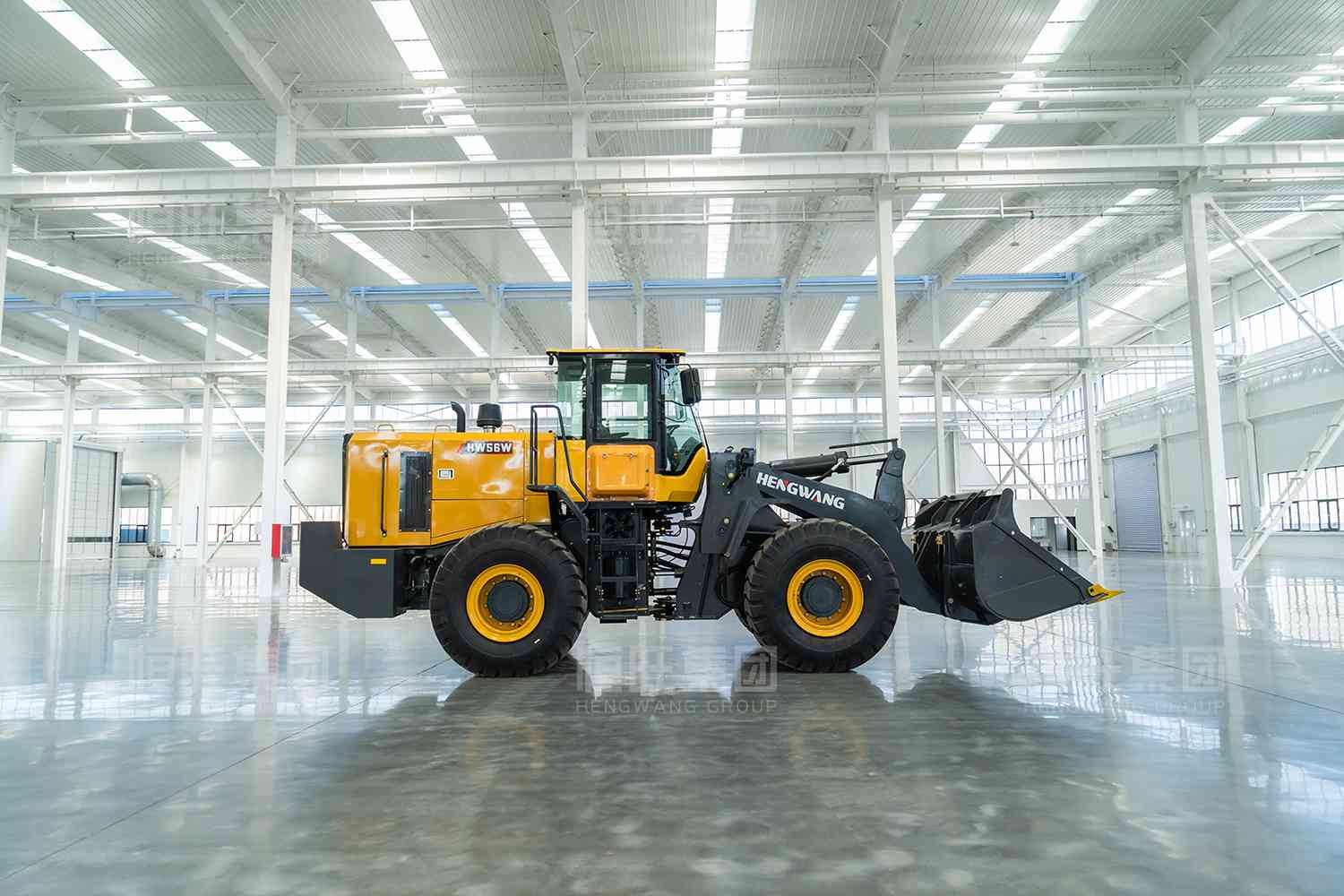
Tires are the loader’s only point of contact with the ground, bearing the machine’s full weight and enduring impacts from harsh working conditions. Scientific maintenance not only extends tire life but also reduces operating costs by over 30%! Here are key maintenance practices:
I. Core Maintenance Measures
Precise Tire Pressure Management
Standard Pressure: Check tire pressure daily before operation, ensuring compliance with manufacturer standards. Overinflation reduces ground contact area and accelerates tread wear; underinflation increases sidewall cracking, blowout risks, and fuel consumption
Seasonal Adjustments: Reduce pressure slightly in summer heat and replenish air in winter to counter thermal expansion/contraction
Wear Equalization Strategy
Regular Rotation: Front tires wear faster due to drive forces. Rotate front and rear tires every 500 working hours to balance wear
No Mixed Installation: Use tires of identical size, pattern, and type on the same loader to prevent uneven stress and abnormal wear
Adapting to Work Environments
Rocky Terrain: Install full-coverage tire chains to block sharp objects; remove stones lodged in treads daily
Muddy Surfaces: Opt for deep-block tread tires for better traction; add counterweights or anti-slip chains if needed
II. Safe Operation Guidelines
Avoid Overloading & Rough Handling:
Overloading accelerates tire deformation and blowouts. Control bucket loads during loader operation, and avoid sudden acceleration, braking, or sharp turns to minimize friction damageSafe Inflation Practices:
Stand on the tread side (never the sidewall) during inflation. Monitor pressure with gauges and use dry nitrogen (inert gas) to reduce explosion risks
III. Daily Checks & Maintenance
Daily Inspections: Examine tire pressure, cuts, bulges, cracks, and remove debris from treads
Scheduled Deep Maintenance:
Every 500 hours: Inspect hub bolts, clean radiators, and lubricate bearings.
Every 2,000 hours: Disassemble tires to inspect tubes/liners and replace aged parts
IV. Retirement Criteria & Replacement
Replace tires immediately if:
Tread depth <1.6mm (reaching wear indicators);
Sidewall bulges, broken cords, or chemical corrosion;
Exceeding 5 years or 100,000 km (whichever comes first)
Conclusion
Tires are the loader’s “feet” and the foundation of safe, efficient operation! Follow these practices for regular upkeep and timely replacements to keep your equipment rock-solid.
Take immediate action: Contact professional service providers to assess tire conditions and customize maintenance plans—power your loader with enduring performance!